60% of top U.S. banks moving into Bitcoin — what s behind the trend
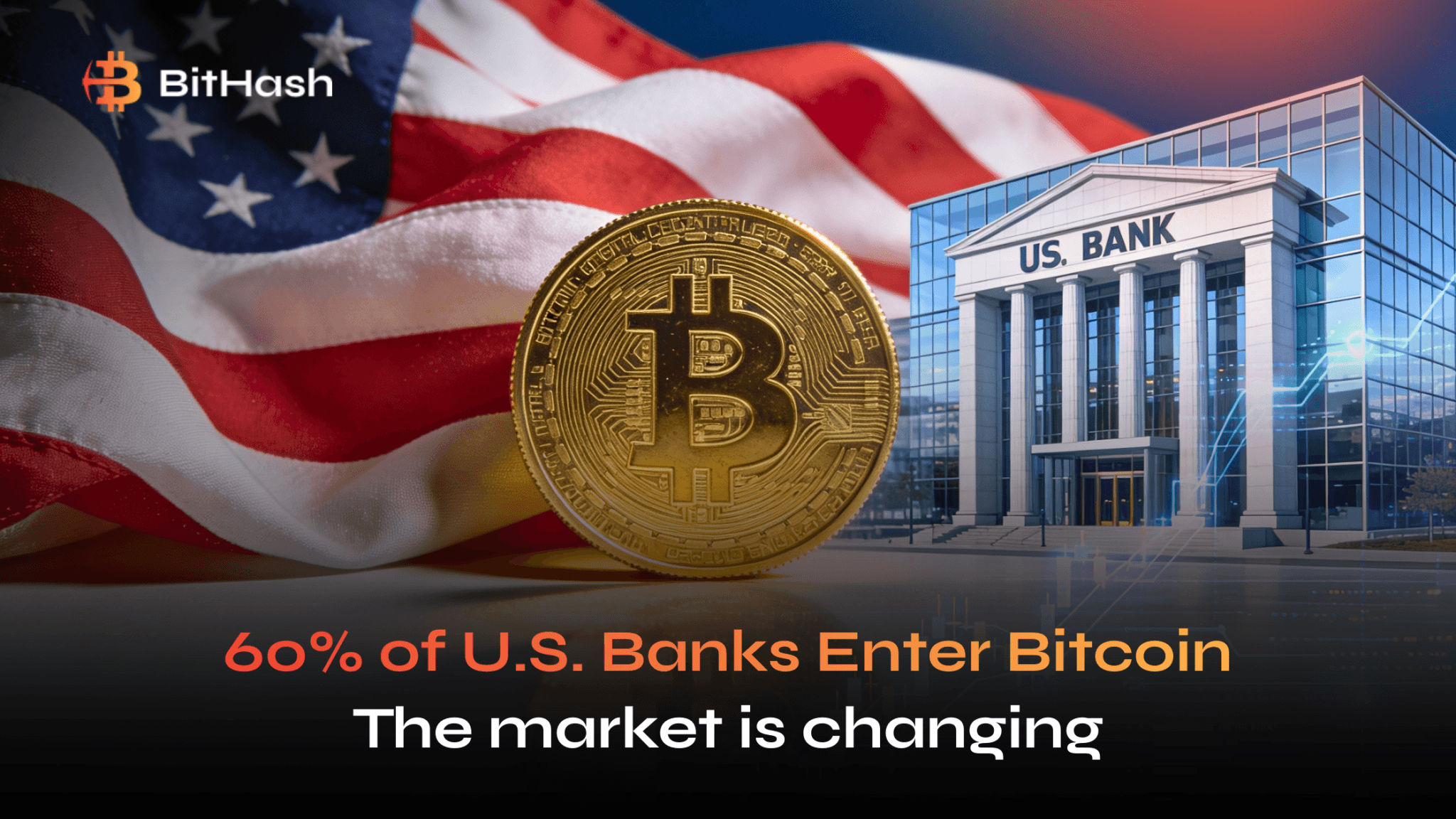
Bitcoin is officially no longer a “toy for crypto fans.” According to recent reports, 60% of the top- U.S. banks have either launched Bitcoin services or are preparing to do so. A new trend of evolution is transforming the relationship between traditional financial institutions and the cryptocurrency marketplace. This new development is apparent as banks have begun to offer services that create trading, storage, or loan opportunities for cryptocurrencies. This demonstrates that banks now consider Bitcoin and other digital currencies as viable financial investments, rather than simply being used for speculative purposes.
Who’s Already in the Game
A number of large banks within the United States have already begun exploring the Bitcoin space. JPMorgan Chase has been said to be looking into the possibility of trading cryptocurrencies for their customers, while Wells Fargo has started making loans to institutions using BTC (Bitcoin) as collateral. Citigroup is in the process of testing out its institutional crypto custody products so that huge institutional investors can keep their bitcoins secure. With these moves, traditional finance is building the infrastructure that will allow broader participation in crypto markets.
New Faces: UBS and Global Banks
The trend is not limited to U.S. banks. UBS has started exploring spot Bitcoin and Ethereum trading for wealthy clients. In conversations at Davos, Brian Armstrong highlighted that most bank CEOs he met are “pro-crypto.” One top-10 global bank CEO even described crypto adoption as priority number one, calling it a matter of survival. This signals that global banks see digital assets as essential, not optional, in their long-term business strategy.
Who’s Still on the Sidelines
Not all banks are operating at the same pace. Of the four largest U.S. banks by asset size, Bank of America has yet to make a public announcement regarding any plans regarding bitcoin-related services, currently ranking second. Many institutions, such as Capital One and Truist, have also been cautious in developing a public strategy to offer any type of cryptocurrency service and continue to express concerns in this area, particularly with regard to yield-producing stablecoins and the systemic risks associated with cryptocurrency’s increasing adoption. They continue to have an attitude of skepticism toward other riskier digital assets.
Market Implications
The shift by 60% of major US banks toward Bitcoin will significantly affect the market. As banking customers begin to have access to Bitcoin through their banks, it presents an opportunity (low barriers for new investors) for retail customers to become part of the space as well. However, banks remain cautious about the potential of other digital currencies, such as altcoins and stablecoins, since most funding comes from Bitcoin. Therefore, as banks continue to expand into Bitcoin by competing on entry prices, fee structures, and other Bitcoin-related financial services, the market for alternative or stablecoins will lag until there is greater adoption by institutional players.
Conclusion:
Bitcoin is becoming an “infrastructure asset,” meaning that it is slowly becoming a part of the traditional banking system; additionally, 60% of top U.S. banks are moving into Bitcoin in their business models, which means that this market is entering a new phase characterized by increased institutional involvement, thus influencing the adoption of Bitcoin by retail and institutional investors.
Investors should monitor how banks begin selling Bitcoin-related products, the fees they will charge, and the level of service they provide, as these will determine the next phase of Bitcoin’s expansion.
BitHash Media Relations
For press inquiries, contact: info@bithash.ae