Bitcoin Dollar Correlation and the Future of Global Capital Flows
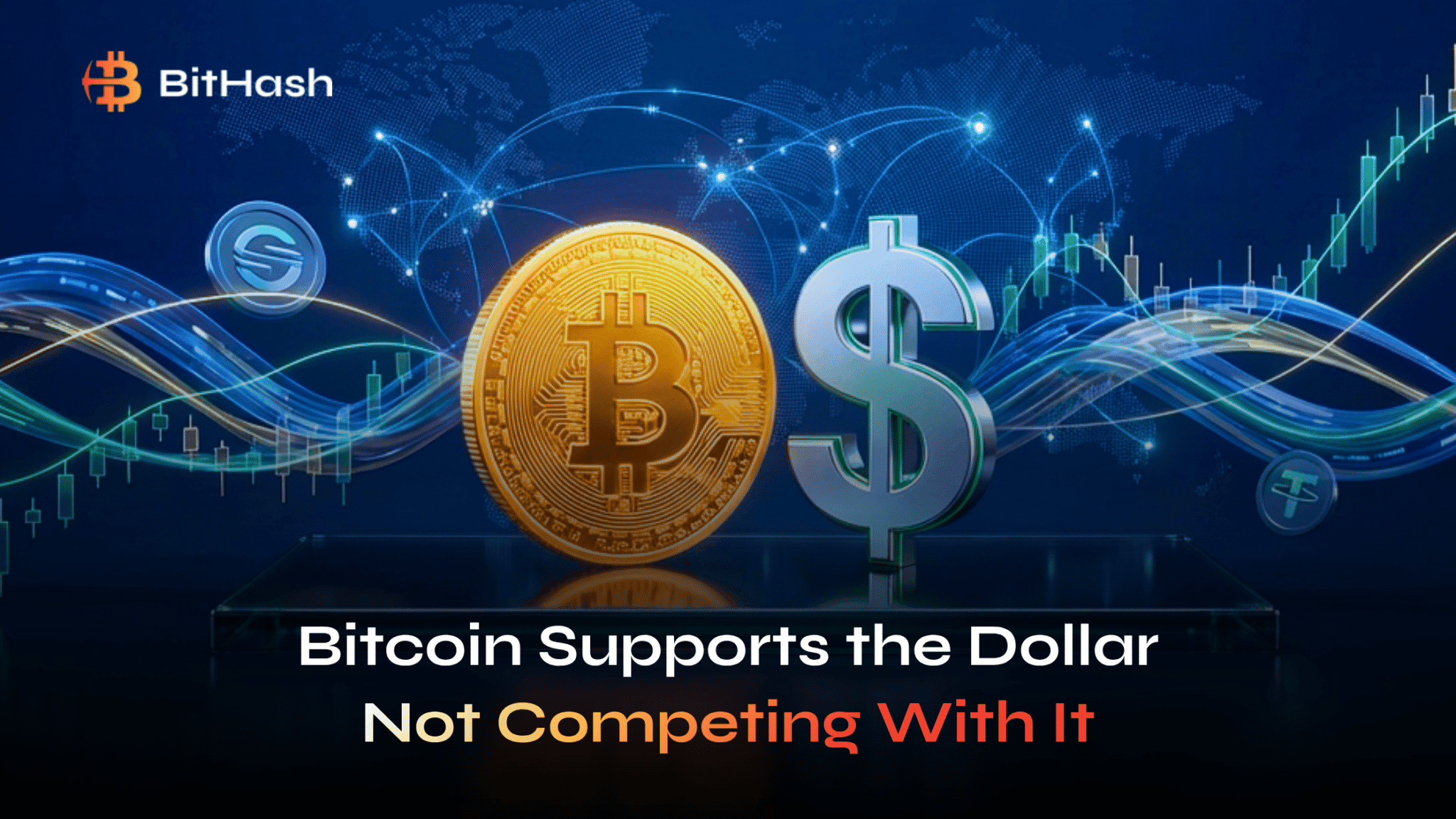
The idea that Bitcoin weakens the U.S. dollar has become a popular narrative, but recent analysis points in a different direction. The Bitcoin-dollar correlation suggests the two are becoming more closely linked, not directly competing. Insights from the Bitcoin Policy Institute and reports from Bloomberg and CoinDesk highlight that Bitcoin trading activity still heavily relies on dollar-based infrastructure, reinforcing the BTC/USD relationship rather than replacing it.
As trading volumes grow, so does the use of dollar-backed stablecoins, strengthening the narrative of crypto dollar strength. This means Bitcoin’s rise may actually support the global role of the dollar within digital finance.
Understanding Bitcoin Dollar Correlation in Modern Markets
The Bitcoin dollar correlation becomes clearer when looking at how crypto markets operate today. Most Bitcoin transactions are settled using dollar-based pairs, especially through stablecoins.
- The dominant trading pair remains BTC/USD
- Stablecoins act as the “digital dollar” in crypto markets
- Increased Bitcoin activity drives demand for dollar liquidity
This dynamic strengthens the Bitcoin–dollar relationship, where greater crypto adoption still leans on dollar-based systems. Rather than weakening fiat dominance, Bitcoin may be extending it into a new digital layer.
This structure supports broader Bitcoin macro trends where capital flows through crypto still depend on traditional financial foundations.
Bitcoin Dollar Correlation and Global Capital Flow Dynamics
The impact of Bitcoin’s dollar correlation extends beyond trading into global finance. Historically, the U.S. dollar maintained its dominance through commodities such as oil. A similar pattern is emerging in digital markets.
Here’s a simplified comparison:
- Asset System Settlement Currency Impact
- Oil Market USD Global dollar dominance
- Crypto Market Stablecoins Expansion of the crypto dollar strength
- Bitcoin Trading USD pairs Reinforces BTC vs USD relationship
This chart shows how Bitcoin is becoming part of a system that reinforces the dollar’s global dominance. As more investors enter crypto, they indirectly increase demand for dollar-based assets, supporting institutional Bitcoin demand alongside fiat stability.
Why Policymakers Support Bitcoin Dollar Correlation
According to insights linked to the Bitcoin Policy Institute, U.S. lawmakers are not trying to eliminate crypto. Instead, they aim to build a regulatory framework that strengthens the use of the dollar in the digital economy.
- Development of stablecoin regulations
- Support for dollar-backed digital assets
- Focus on maintaining global currency dominance
This approach aligns with long-term Bitcoin macro trends where regulation and infrastructure encourage institutional participation. As a result, institutional Bitcoin demand continues to grow within a framework that benefits the dollar.
Global Competition and the Bitcoin Dollar Correlation
While the U.S. is building infrastructure around stablecoins, other countries are taking a different path. China, for example, prioritizes control over capital flows and promotes its digital yuan.
However, permissionless systems like Bitcoin and stablecoins remain active even under restrictions. Mining operations and transaction flows continue globally, reinforcing the resilience of decentralized systems and supporting the ongoing Bitcoin and dollar relationship.
This creates a broader competition: not Bitcoin versus the dollar but crypto dollar strength versus state-controlled digital currencies.
Conclusion
The Bitcoin dollar correlation challenges the idea that Bitcoin and the dollar are rivals. Instead, both are becoming part of the same financial system where digital assets rely on dollar infrastructure for liquidity and settlement.
As adoption grows, institutional demand for Bitcoin and the rise of stablecoins could further reinforce the dollar’s global role. The future of finance may not be about replacing traditional systems, but expanding them, creating a digital layer where Bitcoin and the dollar increasingly move together.
BitHash Media Relations
For press inquiries, contact: info@bithash.ae