
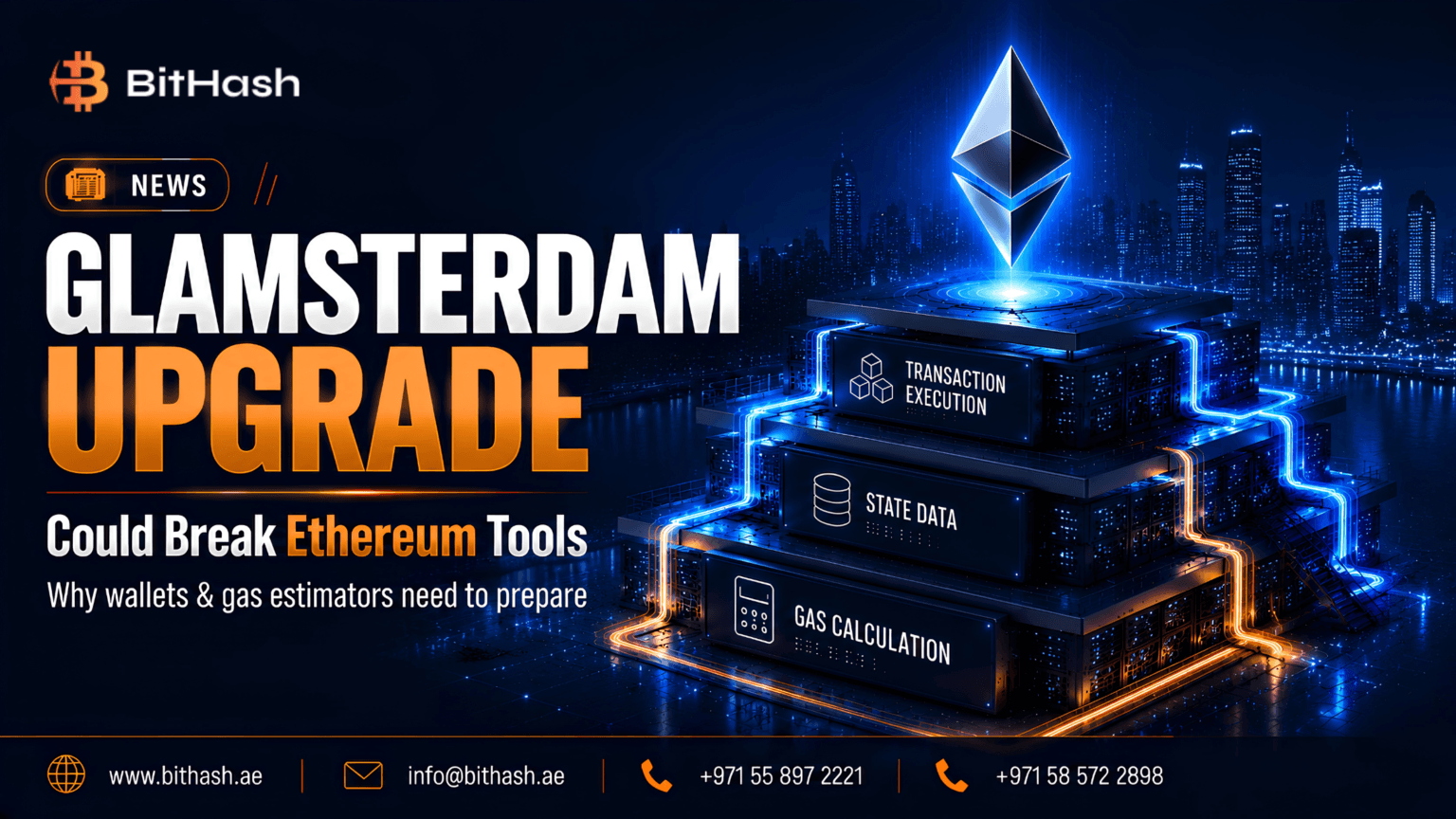
The Glamsterdam upgrade is getting closer, and Ethereum developers are warning that some popular tools may stop working correctly if they are not updated in time. Wallets, indexers, and gas estimators are among the systems that could be affected by changes to how Ethereum calculates gas. The warning matters because many tools still depend on old assumptions. If software expects every ETH transfer to use the same amount of gas, the new system could produce wrong fee estimates or even cause transactions to fail.
Why the Glamsterdam Upgrade Could Break Some Tools
The biggest concern comes from changes to Ethereum’s gas model. The Ethereum Foundation says software with hardcoded maximum gas limits could break under the new rules. Developers are being asked to test their applications on the Plataberget testnet before the changes move to Sepolia, Hoodi, and eventually mainnet. Early testing gives developers time to find problems before regular users are affected. The update is especially important for Ethereum gas estimators. These tools help wallets predict how much users should pay for transactions. If their calculations only use the old gas model, their results may no longer be accurate.
How Ethereum Gas Changes Could Affect Users
One of the main changes comes from EIP-8037. It introduces a separate state-gas system for operations that create new blockchain state. A normal ETH transfer to an account that already exists will still use 21,000 gas. But sending ETH to a new account will include an additional state-gas cost. That may sound like a small technical change, but it can affect many everyday tools. Wallet developers need to make sure their fee calculations understand both types of gas.
The systems most likely to need updates include:
- Ethereum wallets that estimate transaction fees
- Ethereum gas estimators using fixed assumptions
- Indexers that process blockchain activity
- Applications that calculate gas using only one gas dimension
- Ethereum smart contracts and related tools that depend on old gas rules
What the Glamsterdam Upgrade Changes
| Area | Current Approach | Glamsterdam Change | Possible Effect |
| ETH transfer | 21,000 gas | New state cost for new accounts | Fee estimates may change |
| Gas calculation | One main gas measure | Additional state-gas dimension | Tools need updates |
| Wallets | Old gas assumptions | New calculations required | Incorrect estimates possible |
| Indexers | Existing data rules | New gas behavior | Software testing needed |
| Smart contracts | Existing limits | Higher size limits | More room for larger contracts |
The Glamsterdam upgrade also includes several other important changes. These include enshrined proposer-builder separation and block-level access lists. Ethereum is also expected to increase limits for contract size and initialization-code size. These changes are aimed at improving how the network works, but they also mean developers cannot assume that older software will continue working without changes.
Why Ethereum Tool Updates Matter
For everyday users, the biggest concern is not the technical code itself. It is whether wallets and other applications give correct information. An incorrect gas estimate could make a user think a transaction will cost less than it actually does. In some cases, an outdated tool could also cause a transaction to fail. That is why the Ethereum Foundation is asking developers to test their software before the upgrade reaches mainnet. Ethereum tool updates are not just a developer task. They can directly affect how users send transactions and interact with applications.
What Developers Should Watch
Developers should pay close attention to any part of their software that assumes a fixed gas limit. They also need to check systems that calculate fees, track transactions, or process blockchain data. Testing on the available testnets is especially important because problems are much easier to fix before the changes reach real users. For Ethereum smart contracts, developers should also review how their applications interact with the new gas rules and whether any assumptions are built into their code.
Conclusion
The Glamsterdam upgrade is more than a routine Ethereum update. Changes to gas calculations could cause problems for wallets, indexers, and fee tools that still rely on older rules. The good news is that developers have time to test and update their software. The Ethereum Foundation’s warning gives teams a clear message: check the code before the upgrade reaches mainnet. For users, the goal is simple. Wallets should provide accurate fees, transactions should work as expected, and blockchain data should remain reliable. Getting those systems ready now can help prevent bigger problems later.


