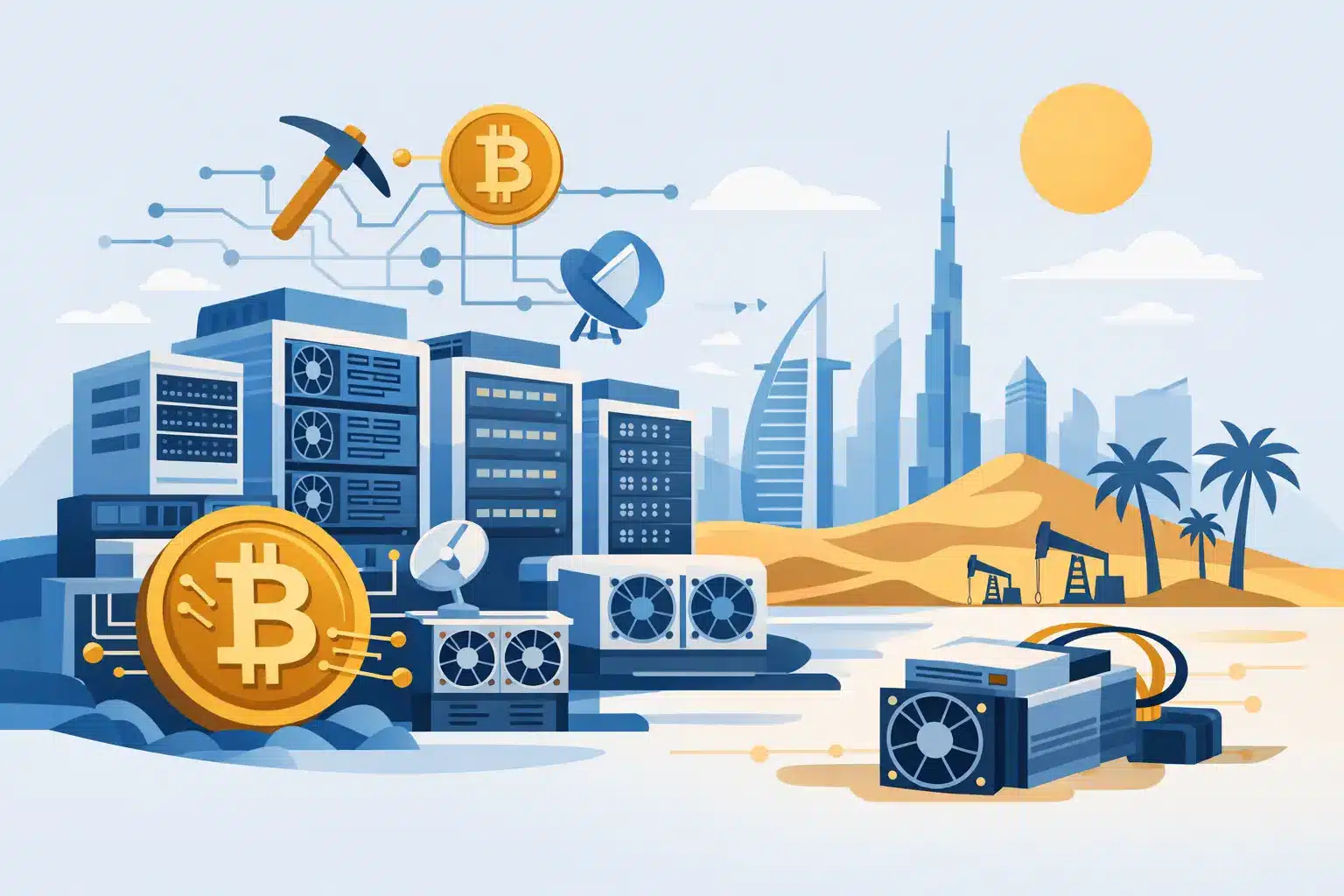
A bitcoin mining data centre UAE investors can depend on is not simply a warehouse filled with ASICs. It is a power, cooling and operations platform built to keep high-value hardware producing hashrate through extreme heat, network events and the ordinary wear of 24/7 operation. For a single-machine buyer and a fleet operator alike, the difference between mining hardware and a functioning mining business is the quality of the infrastructure around it.
The UAE is an attractive location for digital-asset infrastructure because it combines strong connectivity, modern logistics and a business environment designed for large-scale projects. Yet the climate raises the operational bar. A miner that runs efficiently in a controlled facility can lose performance, suffer more faults or shut down entirely when heat removal and airflow are treated as an afterthought. The right data-centre partner turns that challenge into a managed operating model.
What a Bitcoin Mining Data Centre UAE Facility Must Deliver
Hashrate only earns when miners are online. That makes uptime the central commercial measure, but uptime is the result of several systems working together: stable electricity, electrical distribution sized correctly for the load, engineered cooling, network resilience, physical security and technicians who can act before a small issue becomes a long outage.
For ASIC mining, electricity is more than a line item on a monthly invoice. It is the base of the operating model. Operators should understand the applicable kWh price, whether pricing is fixed or variable, the billing structure, minimum commitments and the capacity available for expansion. A low headline rate is not automatically the best commercial outcome if it comes with unclear terms, limited support or regular curtailment.
Electrical design matters just as much. Modern ASICs draw substantial continuous load, so a facility needs properly rated switchgear, cabling, transformers, protection systems and rack or container distribution. Capacity should not be sold beyond what the site can sustain. When a provider discusses available megawatts, ask whether this refers to contracted power, installed electrical capacity or capacity that is genuinely ready to energise miners now.
Cooling is the UAE operating question
The UAE climate makes cooling strategy a board-level decision for industrial mining, not a cosmetic facility feature. Air-cooled ASICs need sufficient cool air volume, controlled airflow paths and effective hot-air extraction. Poor containment causes recirculation: miners draw back the heat they have just expelled, intake temperatures rise and performance declines.
Air cooling can be an effective approach when it is designed for the local environment and maintained properly. However, it requires disciplined filtration, fan management and regular cleaning. Dust and heat together can shorten the life of fans, power supplies and hashboards if preventative maintenance is weak.
Hydro-cooling is often worth assessing for higher-density deployments. By moving heat through liquid rather than relying solely on air, hydro-cooled systems can support tighter layouts and more controlled thermal performance. The trade-off is higher Capex, specialised infrastructure and the need for a team that understands pumps, heat exchange, water quality and leak prevention. It is not automatically the right choice for every portfolio, but it can be a serious advantage for operators building at scale.
Hosting Should Remove Operational Friction
A hosting arrangement should allow an investor to focus on mining economics rather than chasing delivery updates, arranging electrical work or diagnosing a failed fan remotely. The best model begins before the machines arrive. It covers hardware selection, sourcing, shipping, site intake, installation, commissioning and access to clear operational reporting.
For first-time miners, this means a practical plug-and-mine route. You select hardware aligned with your budget and risk tolerance, agree the hosting terms, and receive visibility once the miner is online. For experienced operators, it means the ability to deploy larger batches, monitor performance at fleet level and scale without rebuilding the operational stack for every new order.
A credible provider should explain what happens when the expected outcome does not occur. If a miner arrives with a fault, who tests it? If a hashboard drops, how quickly is it identified? If a unit needs repair, is there a local process or must it be shipped elsewhere? Transparent answers are more valuable than generic uptime promises.
At BitHash, the aim is to bring hardware procurement, managed hosting, monitoring, maintenance and data-centre capability under one accountable operating partner. That can reduce handovers between vendors and help miners move from payment confirmation to active deployment without unnecessary delay. For clients, the important point is not a slogan. It is knowing who owns the issue when a machine stops hashing.
Monitoring turns data into action
Miner-management software should provide more than a green or red status indicator. At minimum, operators need visibility of hashrate, pool connection, temperature, fan speed, power consumption and fault alerts. At fleet level, the system should make it easy to identify underperforming units rather than forcing teams to inspect hundreds of miners one by one.
The useful question is what happens after an alert. A 24/7 monitored facility can detect abnormal temperatures, offline miners or falling hashrate quickly. But monitoring without a defined response process only records the problem. Good operations include escalation, remote diagnosis, physical inspection where needed and a documented repair path.
Security, Logistics and Compliance Are Part of Uptime
ASICs are compact, valuable and mobile. A mining site therefore needs controlled access, surveillance, visitor procedures and asset records that match serial numbers to the customer’s equipment. Security protects the hardware, but it also protects accountability. When fleets are deployed across multiple rooms or containers, accurate inventory control prevents expensive disputes.
Logistics deserve the same attention. International sourcing can involve manufacturer lead times, freight, customs clearance and local delivery coordination. A provider with UAE-based operational support can simplify that chain, particularly when a client wants to add units quickly after an initial deployment. Still, buyers should separate a fast deployment promise from hardware availability. A facility may be ready within 24 hours, while a specific ASIC model may be subject to supply conditions.
Compliance should be approached with the same discipline. Mining is a technical and commercial activity, but it sits within wider rules around corporate structures, contracts, imports, energy arrangements and digital-asset activity. The right setup depends on the customer’s jurisdiction, investment structure and intended scale. Serious operators use appropriate professional advice rather than assuming that a hosting contract resolves every regulatory question.
How to Assess a Bitcoin Mining Data Centre UAE Partner
Before committing capital, request operational detail in writing. The strongest providers are comfortable discussing the parts of the service that are not glamorous: maintenance scope, response times, outage communications, electricity billing, replacement parts and contract exit terms.
Focus on four practical checks. First, confirm the all-in cost per kWh and identify every additional fee. Secondly, understand the cooling method and how the facility handles seasonal heat and dust. Thirdly, ask for the service process for failed units, including diagnosis, repair authorisation and expected turnaround. Finally, check whether the provider can support your next stage of growth, not only the machines you plan to install this month.
There is no single perfect answer for every miner. A solo customer may value simple billing, local support and quick activation over a highly customised configuration. A professional operator with 150 or more machines may prioritise power capacity, hydro-cooling options, detailed monitoring and a tailored PPA or electricity arrangement. Both should expect clear terms, secure custody and timely communication.
Mining returns will always move with Bitcoin price, network difficulty, transaction-fee conditions and hardware efficiency. Infrastructure cannot remove that market risk. It can, however, prevent avoidable operational losses caused by poor cooling, slow repairs, uncertain power arrangements and unmanaged downtime.
The sensible next move is to model your planned ASICs against real hosting costs, then choose a facility that can explain exactly how it will keep those machines productive after installation day. Hashrate is bought once. Reliable operations are earned every day.