MicroBT WhatsMiner: Hardware That Earns Its Keep

A miner does not earn because its headline hashrate looks impressive on a spec sheet. It earns when it is correctly specified, energised quickly, cooled properly and kept online. That is why MicroBT WhatsMiner machines remain a serious consideration for miners who care about operational output, not just purchase price.
For a first-time buyer, the decision may be one or two ASICs and a managed hosting package. For a fleet operator, it may involve megawatts of contracted power, container design, spare-part strategy and detailed performance reporting. The principle is the same: the right WhatsMiner is the one that fits your electricity rate, cooling environment and deployment plan.
Why MicroBT WhatsMiner remains a fleet contender
MicroBT has built the WhatsMiner range around Bitcoin mining at industrial scale. The current generation is aimed at operators who need high hashrate density and lower joules per terahash, while earlier air-cooled units can still make commercial sense where acquisition cost and power pricing are favourable.
Efficiency matters because electricity is normally the largest operating cost. A machine with a better J/TH figure converts less power into heat for each terahash produced. That can improve margin, but it does not automatically make the newest unit the best purchase. A premium paid for maximum efficiency needs to be recovered through stronger output, lower energy consumption or both.
WhatsMiner hardware is also valued for its straightforward industrial design. In a professional facility, however, reliability is never solely a property of the miner. Stable voltage, suitable cabling, clean airflow, temperature management, firmware control and rapid repair response all influence realised uptime. Buying a capable machine without planning the environment around it creates an avoidable bottleneck.
Selecting a MicroBT WhatsMiner for your economics
Start with the numbers that affect daily operations: hashrate, power draw, efficiency, unit price, hosting fee and electricity price per kWh. Hashrate drives revenue potential, but it is only one side of the equation. Power draw drives your energy bill continuously, whether Bitcoin price and network difficulty move in your favour or not.
A higher-efficiency M60-series air-cooled miner can suit a site with expensive power, limited electrical capacity or a goal of increasing hashrate without expanding the existing footprint. In a location with competitively priced energy, a lower-cost previous-generation machine may provide a shorter payback path, provided it can remain profitable through difficulty changes.
Hydro-cooled WhatsMiner models, such as units in the M66 range, are a different operational proposition. They can deliver strong density and more controlled thermal performance, but they require compatible liquid-cooling infrastructure. That means pumps, heat exchange, water quality management, leak detection, plumbing and trained site teams. Hydro cooling is not a cosmetic upgrade to an air-cooled operation. It is a data-centre decision that should be made alongside the hosting provider.
Before committing capital, model more than one scenario. Use a conservative Bitcoin price, an increase in network difficulty and realistic uptime rather than assuming 100 per cent availability. Include pool fees, shipping, customs where applicable, installation, hosting, repair allowance and the time between payment and energisation. The result will be more useful than a calculator showing only a best-case daily return.
The questions that prevent costly mismatches
Ask whether the facility can support the machine’s voltage, amperage and connector requirements. Confirm whether its cooling design matches the unit: air-cooled miners need disciplined airflow and hot-aisle extraction, while hydro units need an engineered liquid loop. Also establish the exact electricity tariff, whether it is fixed or variable, and which services sit inside the hosting price.
For larger orders, ask about rack or container density, transformer capacity, curtailment policy, replacement parts and the process for handling offline machines. These details can look administrative before deployment. Once hundreds of machines are running, they become the difference between a manageable fleet and a stream of expensive exceptions.
Hosting is part of the WhatsMiner purchase decision
An ASIC miner is not a passive investment that can be left in a spare room. WhatsMiner air-cooled units produce intense heat and sustained noise, and they require industrial-grade power. Home operation can be viable in rare circumstances, but it commonly introduces electrical, ventilation and neighbour-related limits before the machine reaches its potential.
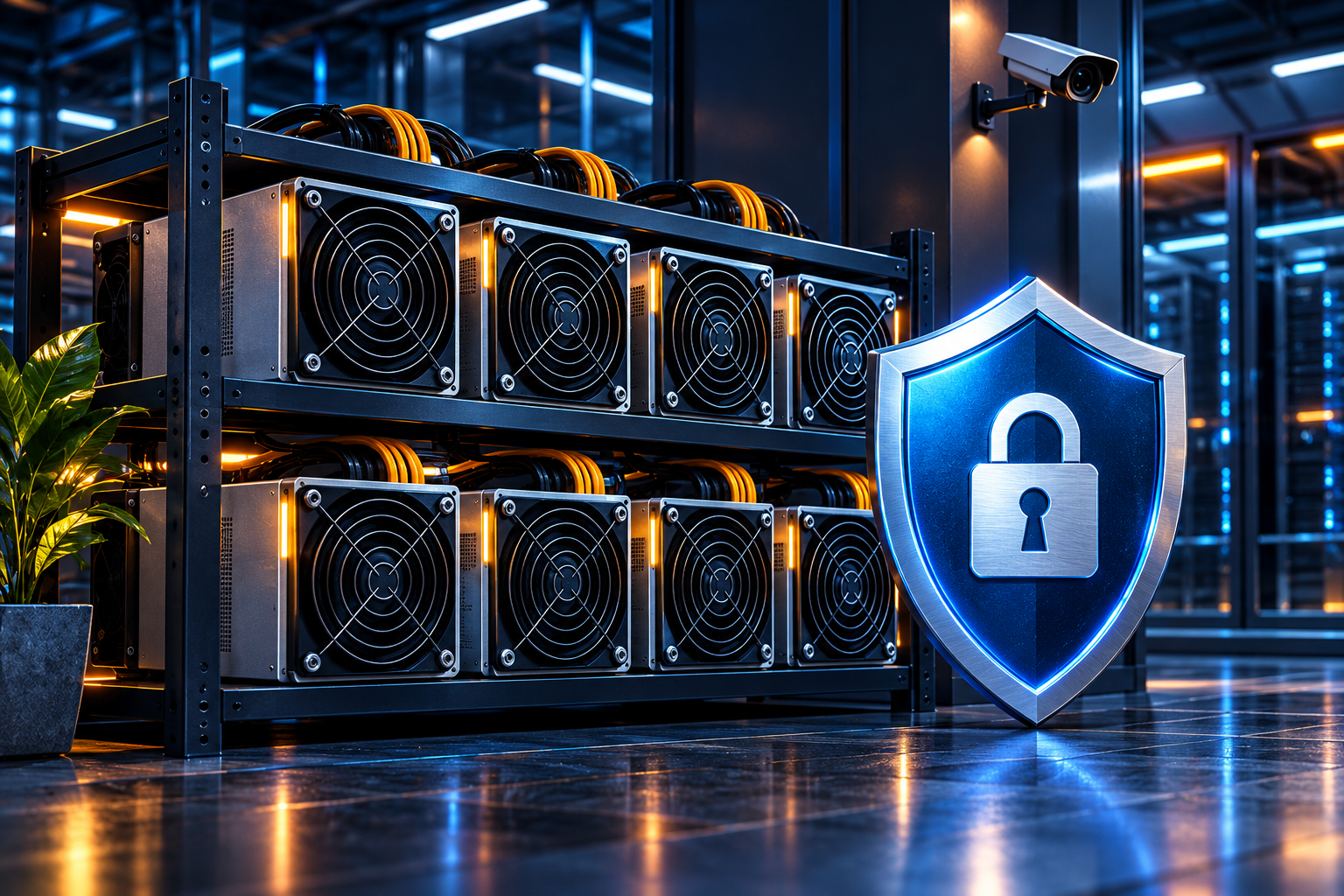
Managed hosting moves those requirements into a purpose-built environment. The value is not simply a place to plug in. It is the combination of power procurement, electrical distribution, network connectivity, physical security, environmental control, monitoring and technical intervention. For investors, that reduces day-to-day operational burden. For fleet owners, it creates a clearer route to standardising deployment across sites.
A good hosting arrangement should make performance visible. You need access to miner status, hashrate, power data and fault reporting, with a defined process for approving repairs or replacements. Transparent electricity pricing is equally important. A low headline hosting fee loses value if the power charge, service exclusions or downtime handling are unclear.
BitHash can support the full path from WhatsMiner sourcing and deployment to managed hosting, monitoring and maintenance. That single-accountability model is particularly useful when speed matters: hardware, logistics and site readiness should be coordinated rather than managed through separate suppliers.
Commissioning for stable output
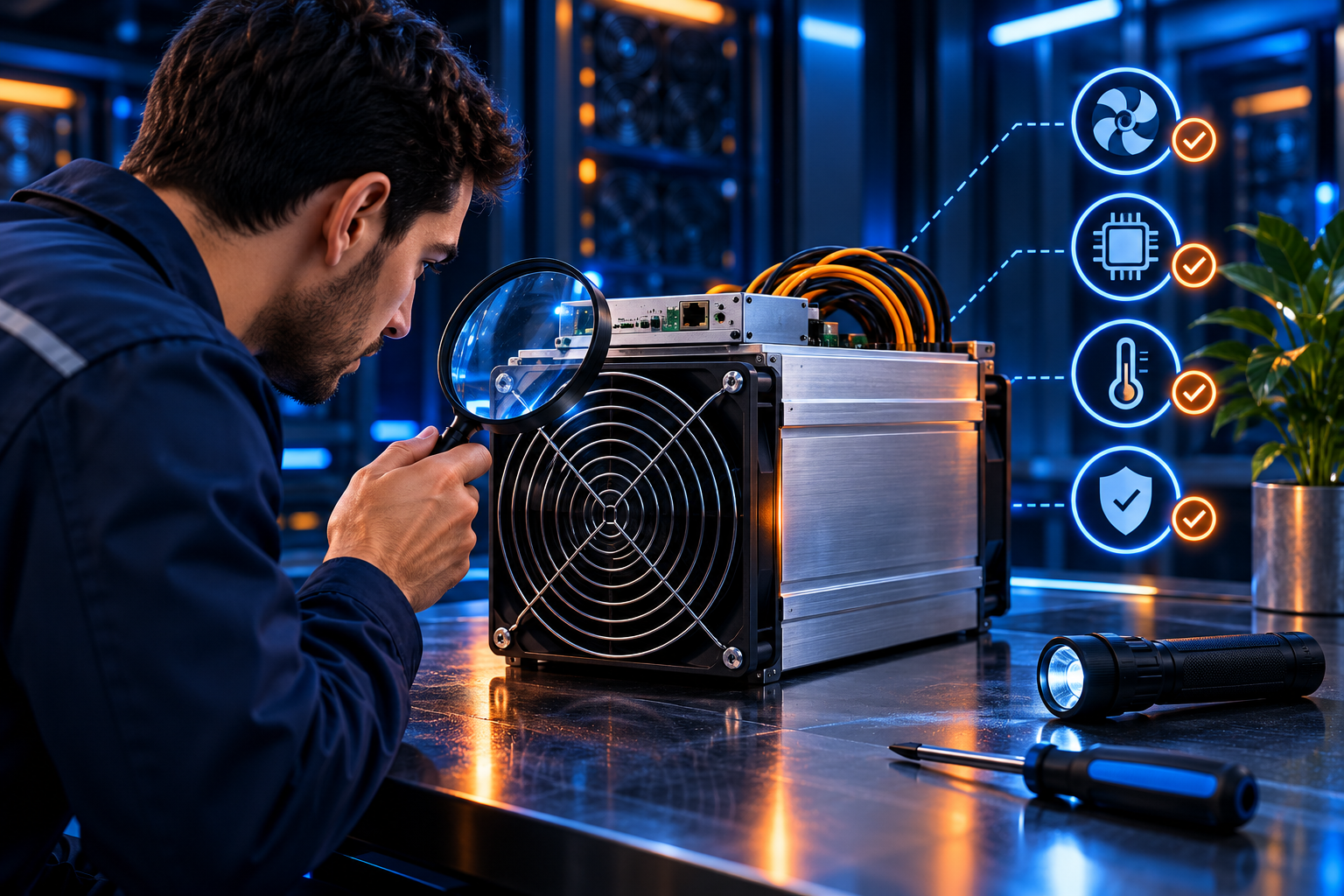
The fastest way to lose expected returns is to treat commissioning as an afterthought. Each unit should be recorded by serial number, tested on arrival and checked against expected hashrate and power consumption after installation. Pool configuration, worker naming and wallet details should be verified before a large fleet goes live. A simple naming convention saves significant time when an alert identifies one machine among hundreds.
Air-cooled WhatsMiner units need cool supply air and a reliable path for exhaust heat to leave the room. Recirculated hot air is a familiar cause of thermal stress and declining performance. Fan condition, dust accumulation and filter maintenance need scheduled attention, especially in dry or dusty operating environments.
Hydro-cooled machines need another layer of discipline. Flow rates, inlet and outlet temperatures, pressure, coolant condition and heat-exchanger performance should be monitored as operating data, not checked only after a fault. The objective is stable thermal conditions across the fleet, not merely keeping the hottest unit alive.
Firmware should be controlled carefully. Use authorised, tested versions and avoid unplanned changes across an entire fleet. A staged rollout on a small group of miners gives operators a chance to identify unexpected behaviour before it affects production at scale. The same approach applies to pool changes and management-platform updates.
Maintenance protects realised hashrate
Every ASIC fleet needs an allowance for maintenance. Fans wear, power supplies fail, boards develop faults and cable connections degrade. The commercial question is not whether failures will occur. It is how quickly a failed unit is identified, isolated, repaired and returned to service.
24/7 monitoring makes a meaningful difference here. Alerts for reduced hashrate, abnormal temperatures, fan errors or pool disconnections allow intervention before a minor issue turns into extended downtime. For a single miner, a few lost hours may be frustrating. Across a large fleet, delayed diagnosis can become a material revenue loss.
Keep the maintenance process practical. Record fault codes, repair actions and repeat failures by serial number. Maintain sensible stock of high-turn parts where fleet size justifies it. Decide in advance which faults warrant repair, which require manufacturer support and when replacing a unit is financially cleaner than repeated workshop time.
Scale with infrastructure, not optimism
Scaling from five WhatsMiner units to 150 is not simply multiplying the order quantity. Electrical capacity, cooling, network design, security, spare parts, technician coverage and reporting all need to scale with the fleet. The same applies to capital planning. Machines may be purchased in batches to match available power, cash flow and market conditions rather than deployed all at once.
For institutional operators, dedicated data-centre capacity can provide greater control over layout, cooling architecture and long-term power arrangements. It also creates more responsibility. Capex decisions on transformers, switchgear, containers and cooling systems should be assessed against the planned operating life of the site, not just the current mining cycle.
The strongest MicroBT WhatsMiner strategy is therefore not a search for the largest terahash number. It is a disciplined plan for buying the right unit, placing it on the right power contract and keeping it productive long after the installation team has left. When every part of that plan is accountable, hashrate becomes an operating asset rather than a promise on a box.
Written by BitHash
BitHash Infrastructure & Mining Research Team