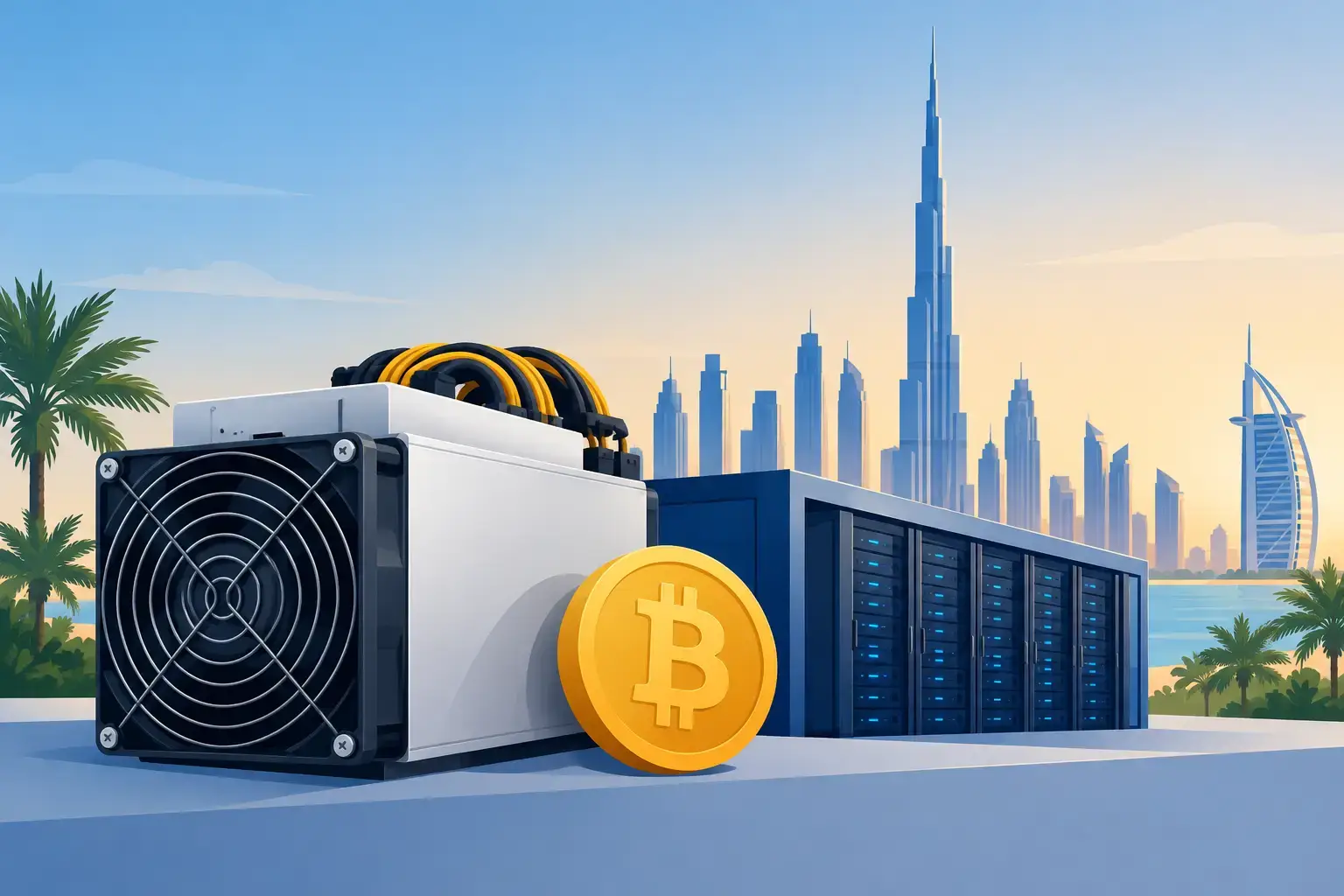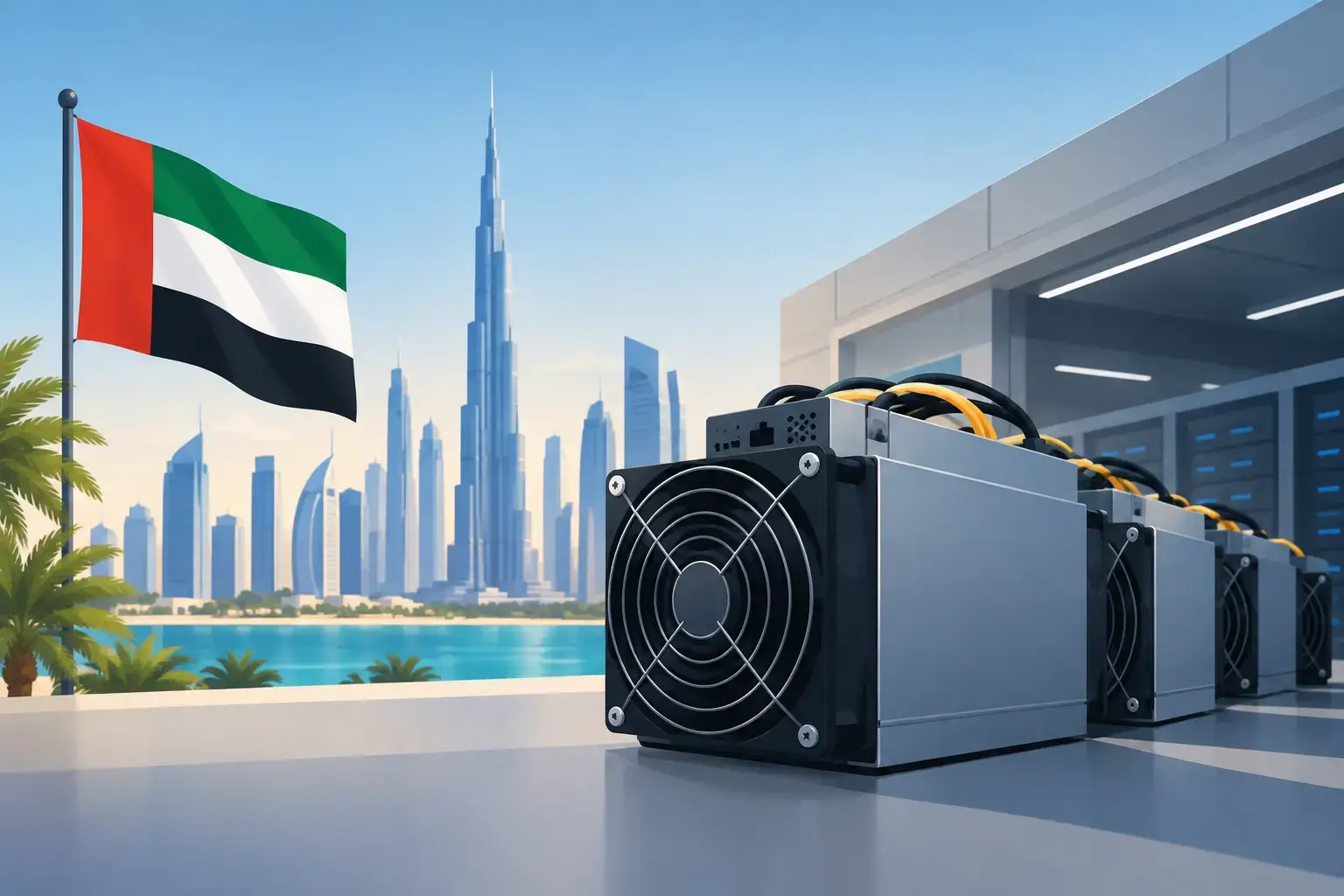
A Bitmain ASIC can arrive in perfect condition, switch on correctly and still become an expensive underperformer within weeks. The difference is rarely the box itself. For Bitmain UAE buyers, returns are shaped by deployment speed, electricity terms, cooling design, firmware control, maintenance response and the quality of the team responsible for the machines after installation.
Bitmain remains one of the most recognised names in ASIC mining, particularly for Bitcoin miners in the Antminer range. Yet selecting a machine is only the first capital decision. Whether you are purchasing one unit or building a fleet of 150-plus miners, the operational structure around that hardware determines whether you have a managed income-producing asset or a constant source of avoidable downtime.
What Bitmain UAE Buyers Should Assess First
The right Bitmain model depends on more than headline hashrate. A miner producing more TH/s may appear to offer a stronger return, but its efficiency, acquisition cost, operating temperature and suitability for the hosting environment all affect the final result.
Start with joules per terahash, rather than hashrate alone. This measurement indicates how much energy the miner uses to produce each unit of computational power. When electricity is a material part of monthly Opex, even a modest efficiency gap can become significant across a portfolio and over a full market cycle.
New-generation Antminers can be compelling for operators pursuing long-term efficiency and higher density. Previous-generation models may offer a lower entry price, which can suit buyers targeting a shorter payback period or working with a defined Capex budget. Neither route is automatically better. The correct choice depends on your kWh price, Bitcoin price assumptions, network difficulty expectations, hosting arrangement and appetite for reinvesting in newer hardware.
Before committing, ask for clear figures on the machine’s hashrate, power draw, efficiency rating, expected delivery timing and warranty status. A serious proposal should also identify whether the quoted unit is air-cooled or hydro-cooled, because those formats require very different infrastructure.
Air-Cooled or Hydro-Cooled Antminers?
Air-cooled miners remain the most straightforward option for many portfolios. They are familiar to technicians, easier to deploy at smaller scale and compatible with standard purpose-built mining facilities. Their trade-off is heat, noise and dust exposure. At high density, air cooling needs effective hot-aisle containment, filtration, ventilation and constant environmental monitoring to prevent thermal stress.
Hydro-cooled Bitmain models are designed for operators who want greater density and more controlled thermal performance. They require dedicated liquid-cooling loops, distribution units, pipework and specialist maintenance capability. The infrastructure cost is higher, but hydro hosting can be the right route for industrial fleets where space, noise control and sustained performance justify the investment.
Do not select hydro cooling simply because it is newer technology. Select it when the facility, fleet size and commercial model support it. Equally, do not treat air cooling as a basic option. A well-designed air-cooled site with disciplined operations can deliver excellent uptime and predictable serviceability.
Hosting Matters as Much as the Miner
A miner held in a warehouse without stable power, cooling and hands-on support is not deployed capital. Hosting converts hardware into an operating mining asset.
When reviewing Bitmain UAE hosting options, look beyond a single advertised electricity figure. Ask how the price is structured and what it includes. Is the rate fixed, indexed or subject to a minimum consumption commitment? Are maintenance, racking, security, monitoring and basic repairs included? Is there a PPA or other long-term electricity agreement behind the hosting offer? Clear answers make it easier to model monthly costs and protect against surprises.
Uptime should also be examined with care. No facility can credibly promise zero interruptions forever. Grid events, scheduled electrical work, network problems and hardware faults happen. What distinguishes a capable operator is how it designs around these risks and how quickly it responds when they occur.
A suitable hosting partner should have 24/7 monitoring, on-site security, spare-part processes, environmental controls and escalation procedures. For larger fleets, you should also expect visibility into individual miner performance rather than a single portfolio-level number. Fleet data helps identify underperforming units before a small fault turns into extended lost hashrate.
The Operational Questions That Protect ROI
Mining economics move quickly. Bitcoin price, network difficulty, transaction fees and hashrate competition can change the outlook for an ASIC fleet without warning. That makes operational discipline essential.
Before buying Bitmain miners, establish how your hardware will be installed, monitored and maintained. The strongest arrangements define responsibilities from day one. You should know who receives the shipment, inspects serial numbers, racks the miners, configures pools, confirms hashrate and handles warranty cases if a board or power supply fails.
The following questions are worth resolving before funds are committed:
- What is the confirmed deployment timeline after payment and delivery?
- What kWh rate applies, and which services are included within it?
- How are failed hashboards, fans, power supplies and control boards diagnosed and repaired?
- Can you view miner-level hashrate, status and earnings through management software?
- What happens if a miner is offline, and what response time can the operator realistically provide?
These are not administrative details. A two-day delay across a large fleet creates a measurable loss of mining output. The same is true of a machine running below its expected hashrate because a fault was not identified early enough.
Procurement, Verification and Deployment Speed
ASIC procurement has its own risks. Mining hardware prices can shift sharply with market sentiment, and supply availability may vary by model and batch. Buyers should confirm the exact machine specification, condition, warranty coverage and delivery terms before making a decision based on an attractive headline price.
Serial-number recording and physical inspection matter, particularly for fleets. The receiving team should document the condition of units on arrival, test initial operation and reconcile each miner against the purchase order. This creates a clean asset record for warranty claims, insurance and future resale.
Fast deployment has real value when market conditions are favourable, but speed should not mean skipping checks. A good process combines both: equipment is received, inspected, configured and brought online promptly, while each unit is recorded within a management system. At BitHash, this approach supports rapid deployment while keeping procurement, installation, monitoring and after-sales support under one accountable operating structure.
For an investor, the practical benefit is reduced handover risk. You are not coordinating a seller, freight agent, electrician, data-centre operator and repair shop separately while your miners sit inactive. A joined-up process gives you one operational point of contact and clearer accountability when performance needs attention.
Build for Flexibility, Not One Mining Scenario
The most common mistake in ASIC mining is to model a purchase around one optimistic set of assumptions. A responsible plan should account for periods of lower Bitcoin prices, higher network difficulty and occasional machine downtime. It should also include a reserve for repairs, transport, import-related costs where applicable and replacement parts.
For smaller buyers, a managed hosting package can remove most of the day-to-day burden. For professional operators, the priority may be flexible capacity, bulk pricing, detailed reporting and the ability to expand into a dedicated hall or custom data-centre. Institutional clients may need a full infrastructure plan covering power procurement, rack design, cooling architecture, network redundancy and site security.
The operating model should be sized to the ambition. There is little value in buying industrial hardware if the support model is improvised. Equally, a first-time miner does not need to build a private facility to gain Bitcoin mining exposure. The best route is the one that keeps control of costs, protects uptime and leaves room to scale when the economics justify it.
A Bitmain miner is a powerful piece of specialised equipment, but it is not a passive purchase. Treat the machine, power contract, hosting environment and service response as one investment decision. When those parts are aligned, your fleet has a far better chance of staying online, operating efficiently and earning through changing market conditions.
BitHash Editorial
Verified AnalystBitHash Infrastructure, UAE Colocation & Mining Intelligence Team